
When Was Television Invented?

The Television was invented a lot earlier than you might think. The first electrically transmitted TV pictures were the work of J.L. Baird, who built his first TV system in 1926. J.L. Baird was Scottish, and was born in Helensburgh, Scotland.
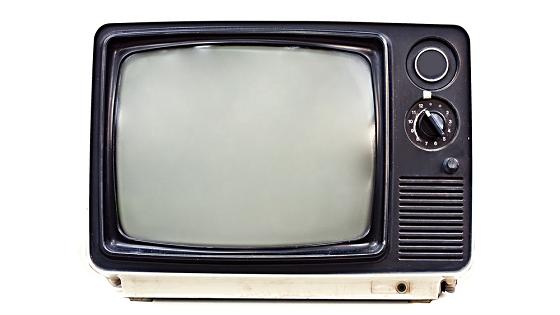
The first person to appear on television was a young office boy in the building where Baird worked. The lad was paid about 60 cents for his appearance!

The first broadcasting of TV pictures didn’t begin until 1935, in Germany, with American TV broadcasting following six years later, in 1941.

By 1949, there were a million TV sets in this country, and by 1959, there were 50 million. During the 1960s, color television became popular. In 1980, about half of all the sets in America were color sets.

Post a comment

7 Comments

  1. Anonymous
    Posted 2009/11/02 at 4:54 am | Permalink

    I need a answer about television and when they were invented and who inveted them?

  2. Anonymous
    Posted 2009/08/31 at 8:12 am | Permalink

    nuts

  3. Anonymous
    Posted 2009/11/15 at 9:31 pm | Permalink

    Why was it invented?

  4. Anonymous
    Posted 2009/11/19 at 8:06 am | Permalink

    Tv is ok sometimes but it gets boring most of the time

  5. Anonymous
    Posted 2009/12/17 at 5:30 pm | Permalink

    That’s an odd question to ask. Why is anything invented? Some necessity to find out if it was possible I would suppose, after figuring out how to transmit telegraph, then sound, the next thing would logically be imagery.

  6. hello kitty
    Posted 2010/01/07 at 8:25 am | Permalink

    what person invented the tv? theres many names but i want to know who was the first to come up with the tv.

  7. kayla
    Posted 2010/03/01 at 11:43 am | Permalink

    WOW

Post a Comment

Your email is never published nor shared. Required fields are marked *

*
*

You may use these HTML tags and attributes: <a href="" title=""> <abbr title=""> <acronym title=""> <b> <blockquote cite=""> <cite> <code> <del datetime=""> <em> <i> <q cite=""> <strike> <strong>