
-
Random Facts
- If Girls Whistle, Will They Grow Beards?
- Why Does Swiss Cheese Have Holes?
- Are The Altai and The Tien Shan Home Of The Yeti?
- Why Did Petalesharo Rescue A Letan Comanche Girl From Death?
- What Is Fog?
- Which River Flows From One Ocean to Another Ocean?
- How is zero degrees longitude the equivalent of the Greenwich meridian determined for Mars?
- What Is the Most Read Newspaper in the World?
- How Is Leather Made?
- What Is the Riddle of the Sphinx?
-
Recent Comments
- irwin county school on Who Invented the First Computer?
- Jamie on Who Invented the First Computer?
- irwin county indians on Who Invented the First Computer?
- Your mom on Can an Egg Drop 600 Feet and Not Break?
- Hobo on How Are You Like Your Parents?
- Johnny on How Does a Radio Work?
- joseph on Why Do Jellyfish Sting?
- super man on Were Humans Hunters or Farmers First?
- Djeison on When Were Knives, Forks, and Spoons First Used?
Tags
-
Pages

Why Does Food Stay Fresh in Cans?
When canning was invented, no one knew why food that was packed and heated inside containers remained fresh for a long time.
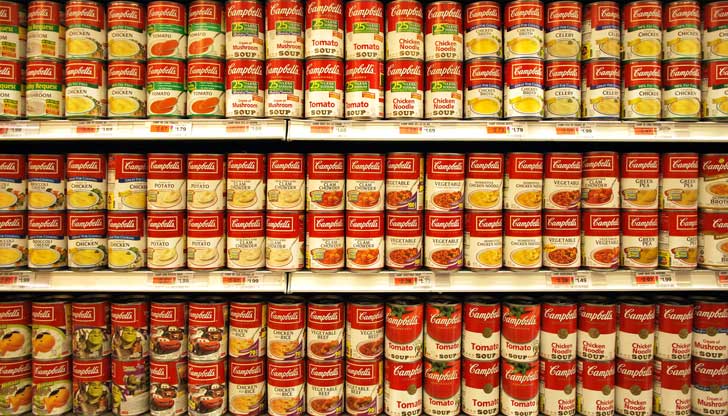
Then, in 1860, French scientist Louis Pasteur discovered that food spoilage was due to bacteria present in all fresh food and in the air. These organisms breaks down substances in the food and make them useless or harmful to man.
Then it was understood how canning works: The heating kills bacteria in the food, and the sealing of the can prevents more bacteria from getting into the food. Food inside a can should stay fresh for as long as there is no opening in the can.
In the 1920s, American companies found that packing food in liquid kept it fresher and more nutritious. That’s why most canned foods are packed in water. And all cans today are vacuum-packed, which means that the air is sucked out of the can before it is sealed. This prevents bacteria in the air from infecting the food.